ARTICLE TWO: Missing Middle Housing: Planning for the Colonie we want
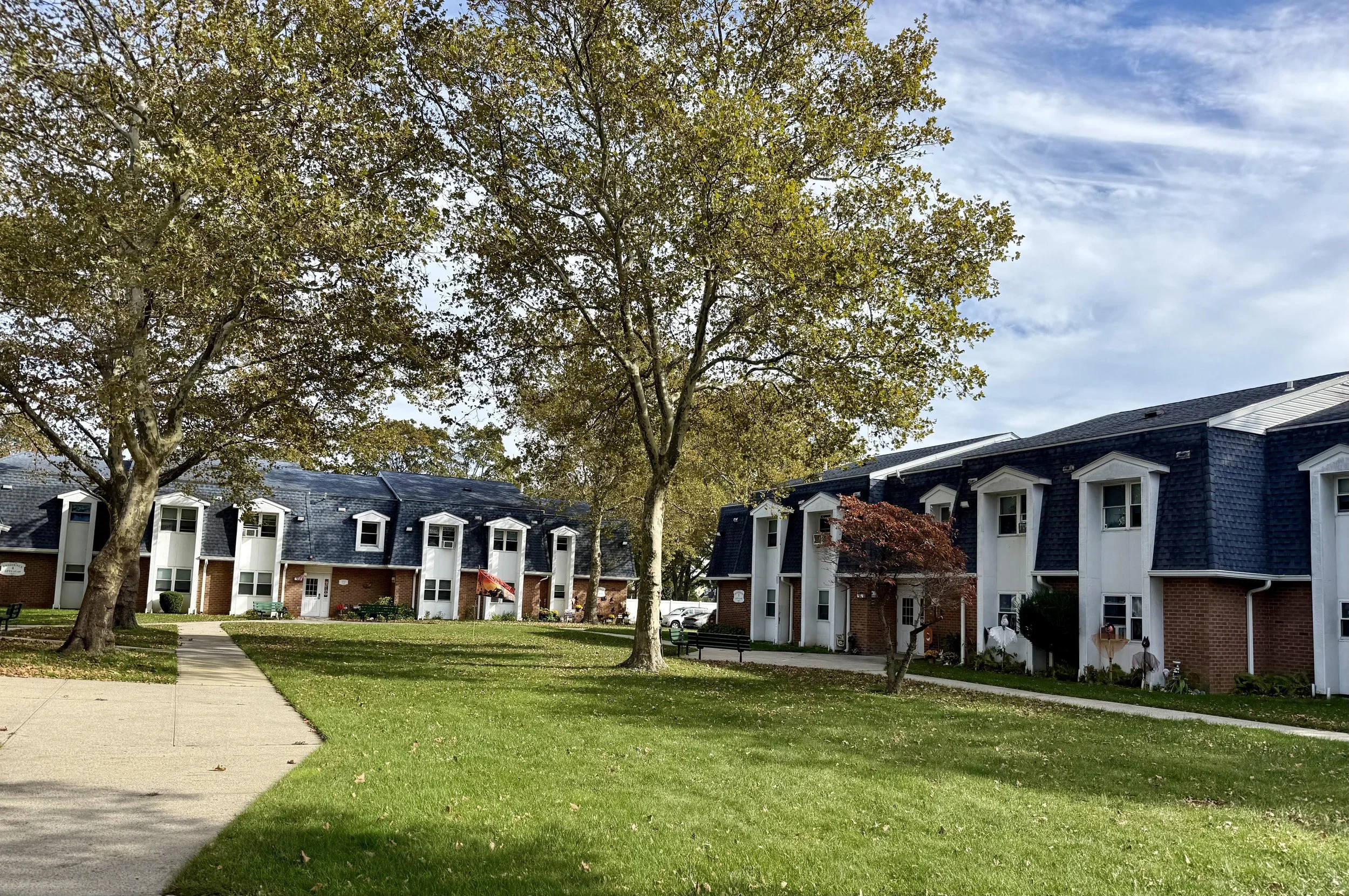
Pleasant two-story apartments
a smaller-scale apartment complex
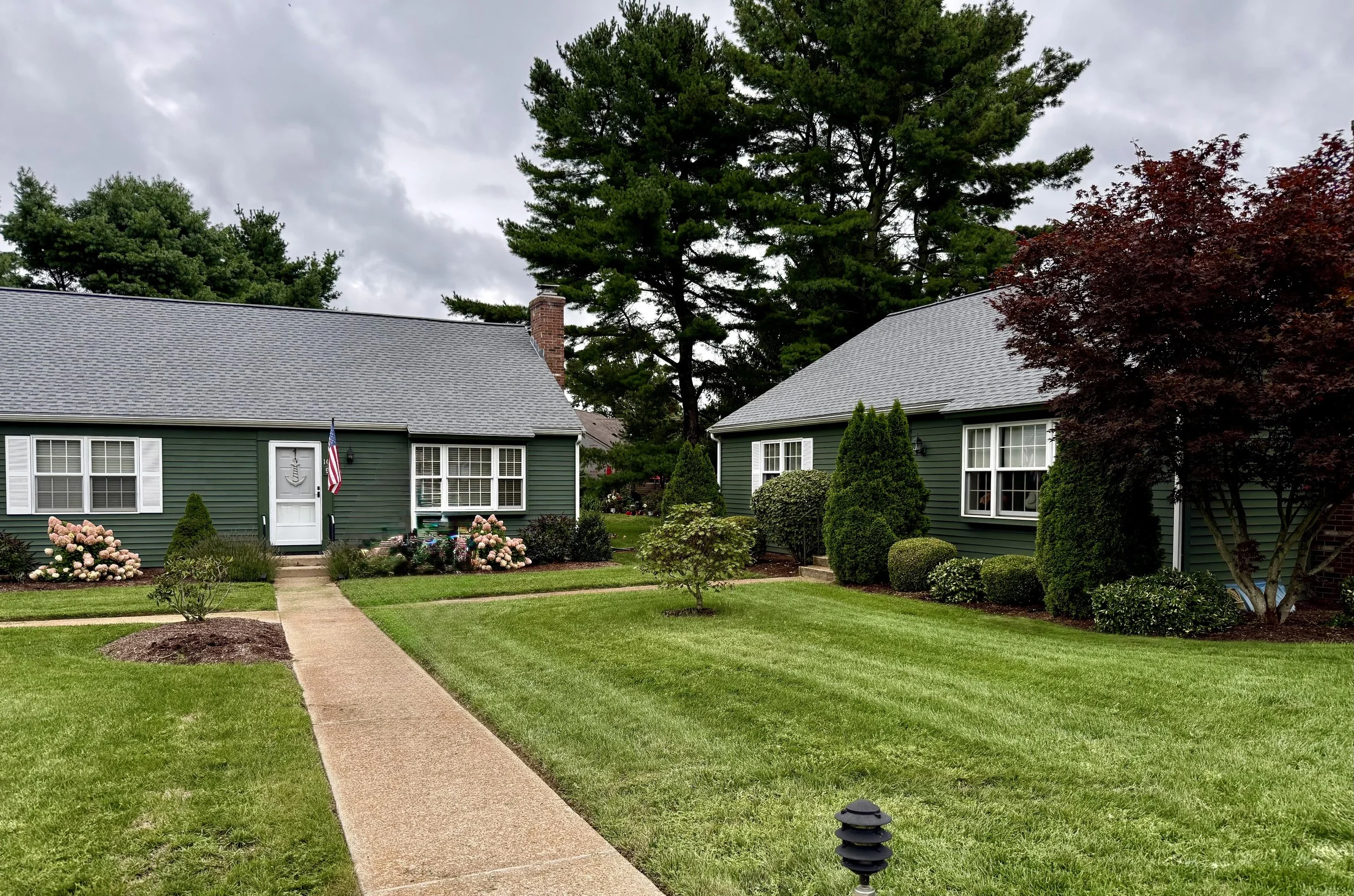
A Cottage Community
Between expensive single-family houses and large apartment complexes lies a range of housing that once formed an ordinary part of American communities: accessory apartments, duplexes, triplexes, fourplexes, townhouses, cottage courts, courtyard apartments, small condominium buildings, and neighborhood-scale multifamily housing. Smaller, “starter homes” are becoming less available as investors snap them up for cash and convert them into pricey rentals. Meanwhile, developers chose to build high end, higher profit McMansions. Missing Middle housing is hard to find in Colonie.
A range of housing options matter because meeting Colonie’s housing needs requires more than just more new units. It also depends on whether a first-time buyer can afford a home, whether an older resident can move to an accessible home nearby, and whether families can adapt their homes as their needs change. Circulation within the existing housing stock, such as when older homeowners downsize, creates new housing opportunities for other prospective home buyers. Conversely, building homes at prices people cannot afford, or in locations that require costly new infrastructure, may leave important needs unmet.
Colonie has a substantial stock of existing homes. The Town’s 2024 housing action plan reports that 88% of its housing stock was more than 30 years old, based on 2022 survey data. Age does not mean a home is in poor condition. It does mean that rehabilitation and adaptation deserve a place alongside new construction in our housing strategy.
Colonie already allows accessory dwelling units (ADUs) under specific conditions. The City of Albany has also expanded its ADU rules, while Albany County has established a property tax exemption for qualifying ADU construction. These steps show that housing choices can grow incrementally. They also invite Colonie to review whether its own rules provide useful, well-designed options practical for residents.
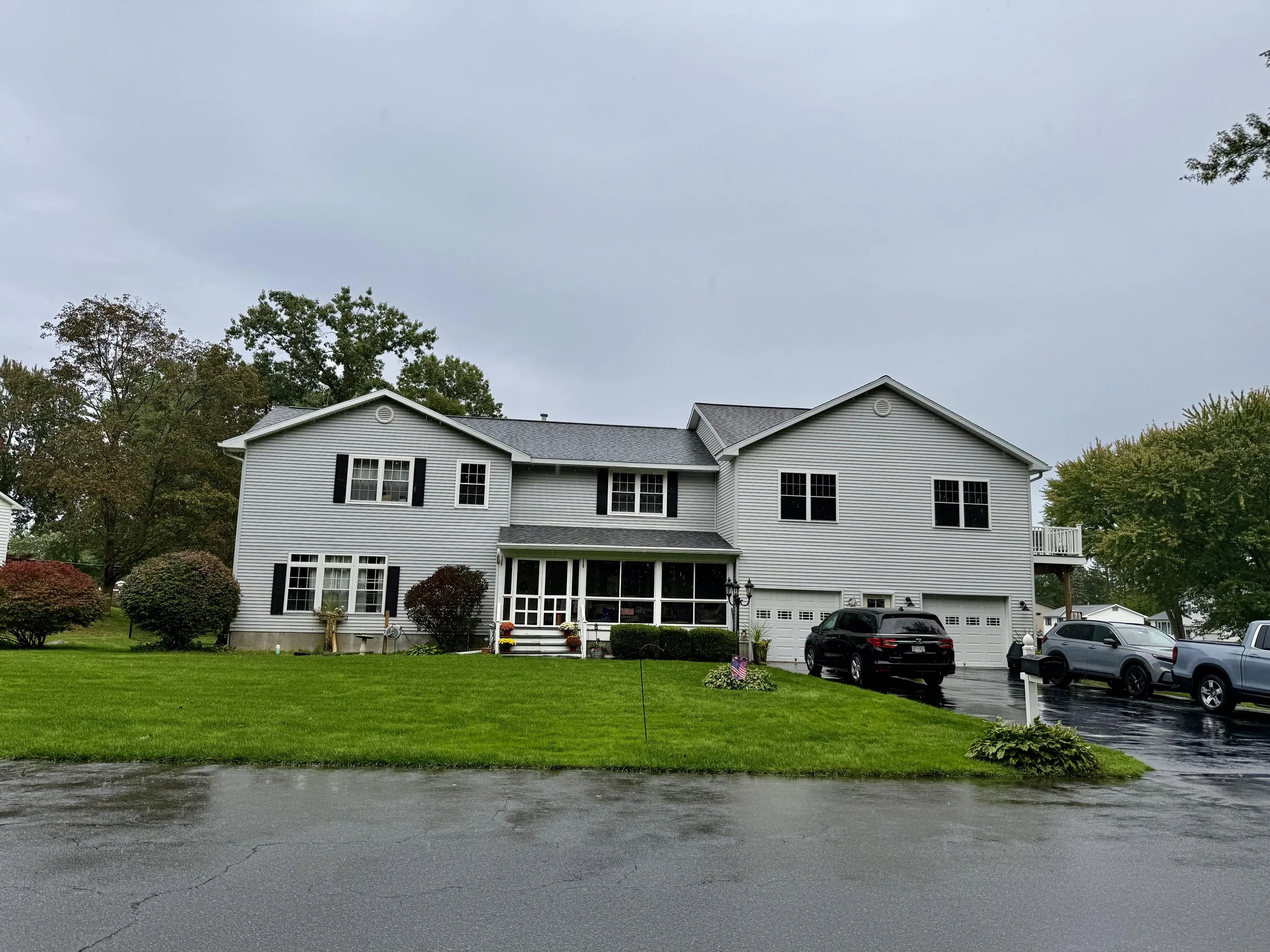
Accessory Dwelling Unit
built onto the garage
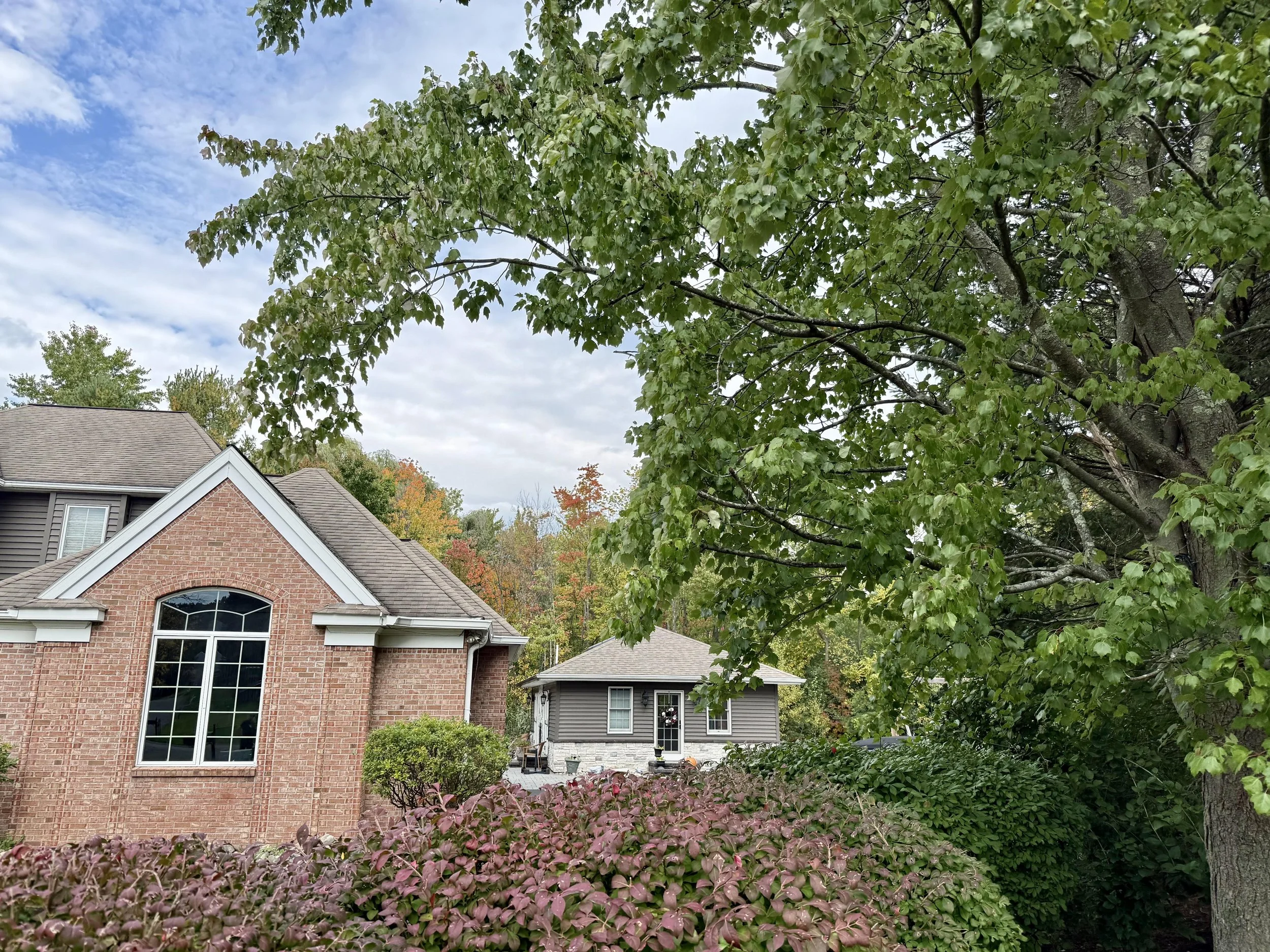
Another ADU
built as a separate building
Colonie’s zoning and land-use chapter was adopted in 2007 and has been amended over time. The question now is whether its current rules, including those on ADUs, fully carry out the community’s housing and conservation goals. A thoughtful update could make it easier, where appropriate, to:
Create an apartment for an aging parent or adult child.
Adapt a large house into more than one safe, code-compliant home.
Build townhouses or small condominium buildings on suitable sites.
Offer accessible cottages or smaller homes for residents who want to remain in Colonie.
Add homes above shops where services and infrastructure already exist.
Turn an aging shopping center or abandoned hotel and the surrounding pavement into a mixed-use neighborhood.
Not every type of housing belongs on every parcel. The Town should evaluate design, affordability, accessibility, traffic, environmental conditions, and the full cost of maintaining public infrastructure. The resources and values of the existing neighborhood, and the impacts of the proposed development upon the neighborhood, must be taken into account. It should also compare available redevelopment and rehabilitation opportunities with proposals to build on undeveloped land and encourage redevelopment and reuse.
Colonie needs a housing strategy that can adapt as its residents and their needs change. Missing Middle housing gives us more ways to meet residents’ needs while making better use of housing that is already built. The next step is to connect an updated land-use code to a current inventory of housing needs, proposed projects, redevelopment sites, and long-term public costs—so the Comprehensive Plan guides decisions before the next development proposal arrives.
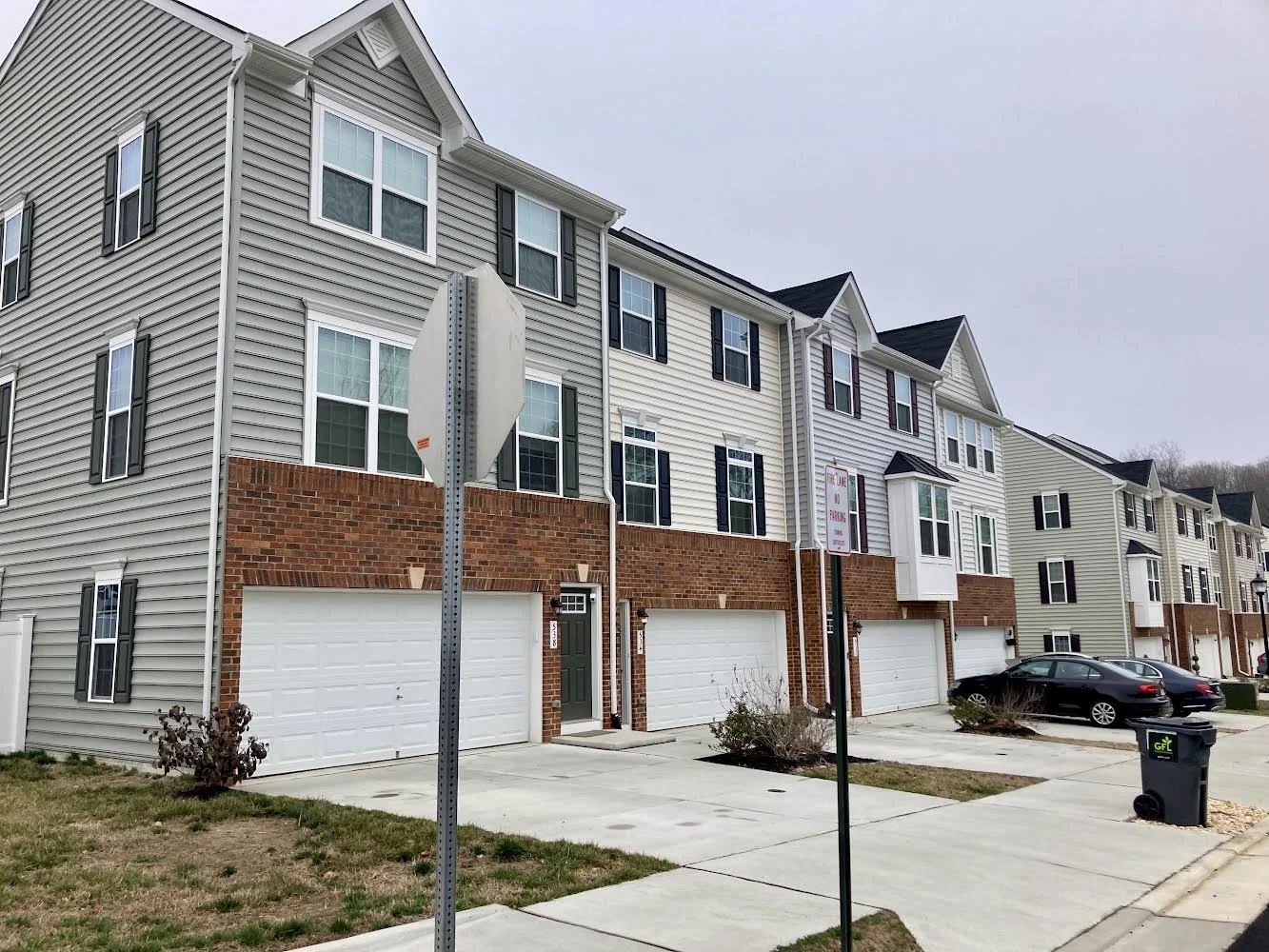
Attached Townhomes
ARTICLE ONE: Good Development: Growth Through Planning, NOT Growth at Any Cost
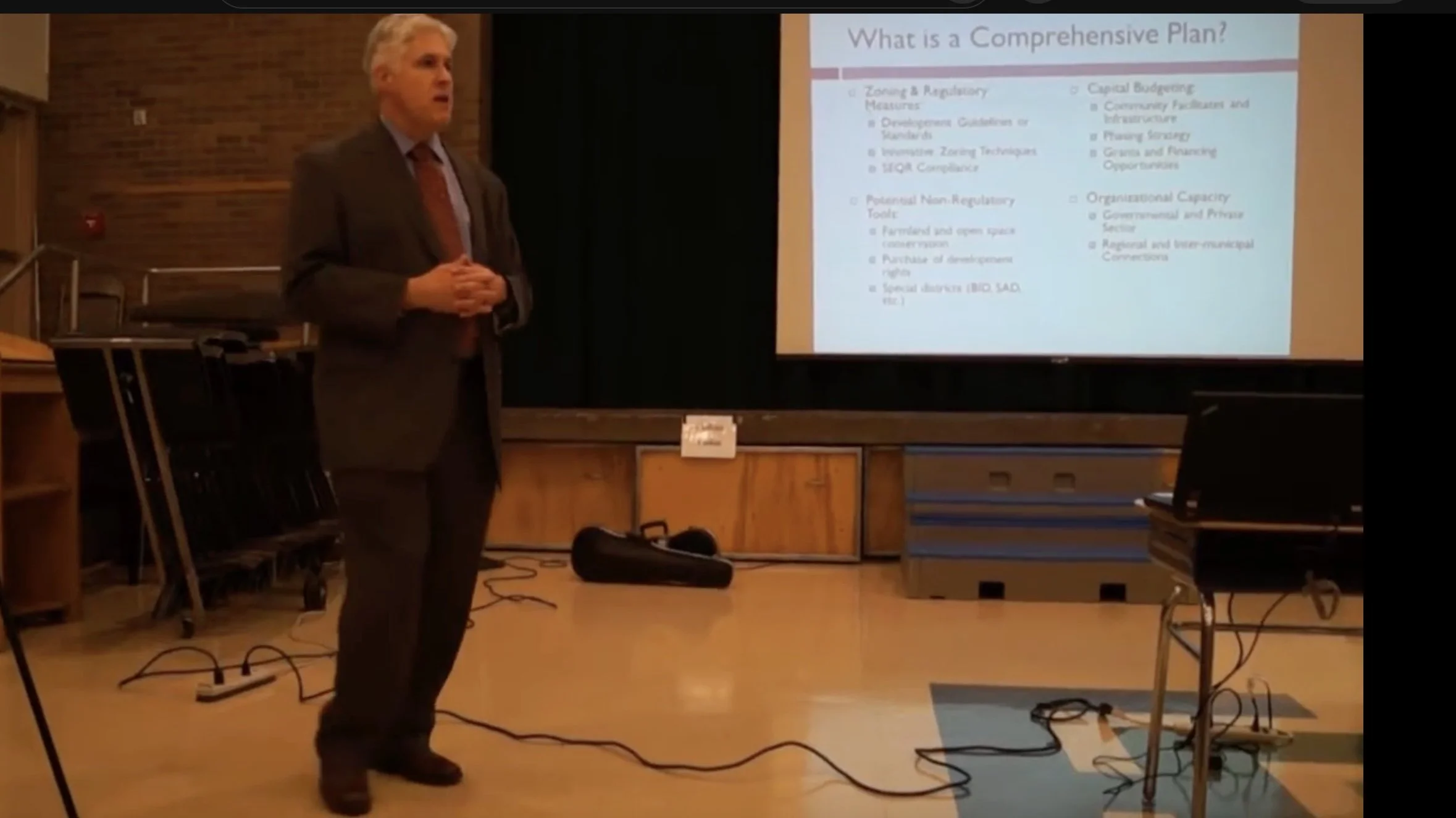
Mike Welti, of Barton & Loguidice, was hired by the TOC as an outside consultant to manage the Comprehensive Plan process
For many years, SAVE Colonie: A Partnership for Planning has advocated for a simple principle: development is necessary, but every development must strengthen its community.
Our concern has never been whether the Town of Colonie should grow, but how it should grow. Colonie is a desirable community because generations of residents, businesses, public officials, and community institutions want to remain here and have invested in its future. People want to live here, and businesses want to locate here, which creates opportunities, challenges, and responsibility. Colonie is at the center of the Capital Region.
SAVE Colonie was formed as a partnership of residents, professionals, and community members concerned about the long-term effects of development decisions on the Town's natural environment, infrastructure, fiscal health, neighborhoods, and quality of life. Through participation in Planning Board meetings, review of development proposals, research into best planning practices, consultation with professionals, participation in the Town's comprehensive plan review process, and advocating to make public meetings and planning information more accessible to residents, SAVE Colonie has consistently advocated for thoughtful, transparent, and sustainable development. This advocacy is particularly relevant as Colonie confronts another significant planning challenge: affordable housing.
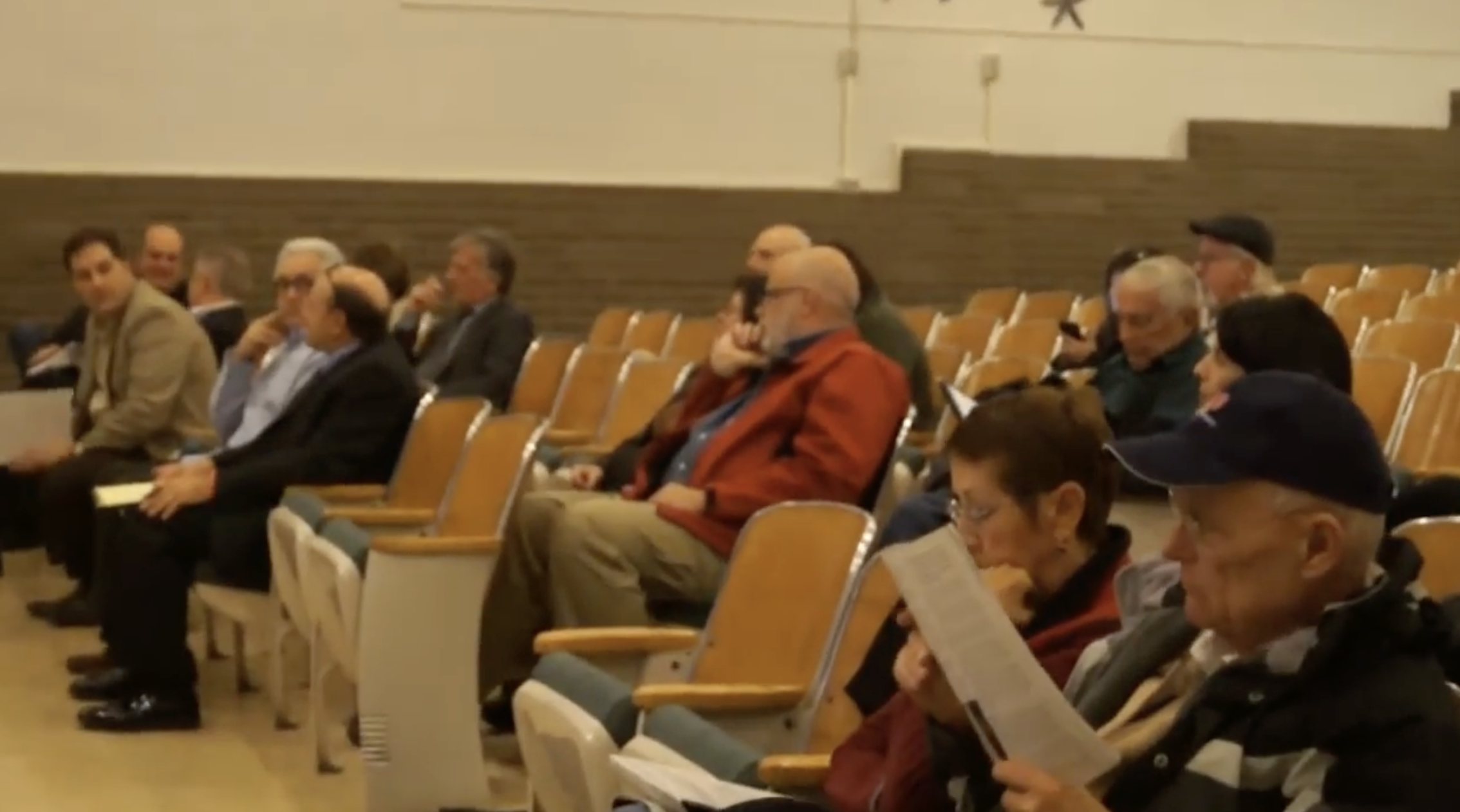
Colonie Residents attend a public hearing in Loudonville as part of the 2019 Comprehensive Plan Update
Colonie Needs Affordable Housing — But It Also Needs a Housing Strategy
There are legitimate reasons for Colonie to increase and diversify its housing supply.
Our population is changing. According to US Census data, nearly one in five Colonie residents is now 65 or older. Older residents may want to leave a large house without leaving their neighborhood. Younger households face increasingly difficult paths to homeownership. Workers employed in Colonie and nearby often cannot afford housing within the Town. Families increasingly need multigenerational housing. And the Capital Region as a whole needs additional housing, especially workforce and affordable housing.
Colonie has approved many attractive housing projects. Large apartment developments, Planned Development Districts (PDDs), single-family neighborhoods, senior communities, and other projects have added hundreds of housing units, most of them upper- to high-end units. Too often, development decisions are driven by developers’ proposals rather than by, or even consistent with, a community-defined strategy for where and how the town should grow, and what its needs are.
That is precisely why Colonie invested substantial time, public resources, professional expertise, and community outreach and participation to develop its 2019 Comprehensive Plan Update. A comprehensive plan is not intended to sit on a shelf or simply document aspirations. Under New York’s land-use framework, the plan’s purpose is to provide the foundation for the town’s land-use policies and to guide zoning, planning, infrastructure, and development decisions. Colonie’s 2019 Update contained goals and directives, with action items set out year by year. What has happened to them?
Residents participated in that lengthy process with the reasonable expectation that the resulting plan would matter. Developers, residents, Planning Board members, Town Board members, and other decision-makers could look to the Comprehensive Plan for consistent guidance on where growth is appropriate, what forms it should take, which resources should be protected, and what public benefits development might provide.
The lesson that we take from Colonie’s recent development history is that Colonie needs more choices about how and where growth occurs. Further, those choices ought to be guided by the 2019 Comprehensive Plan that the town and its residents have already invested in, and the ideas that plan contains.
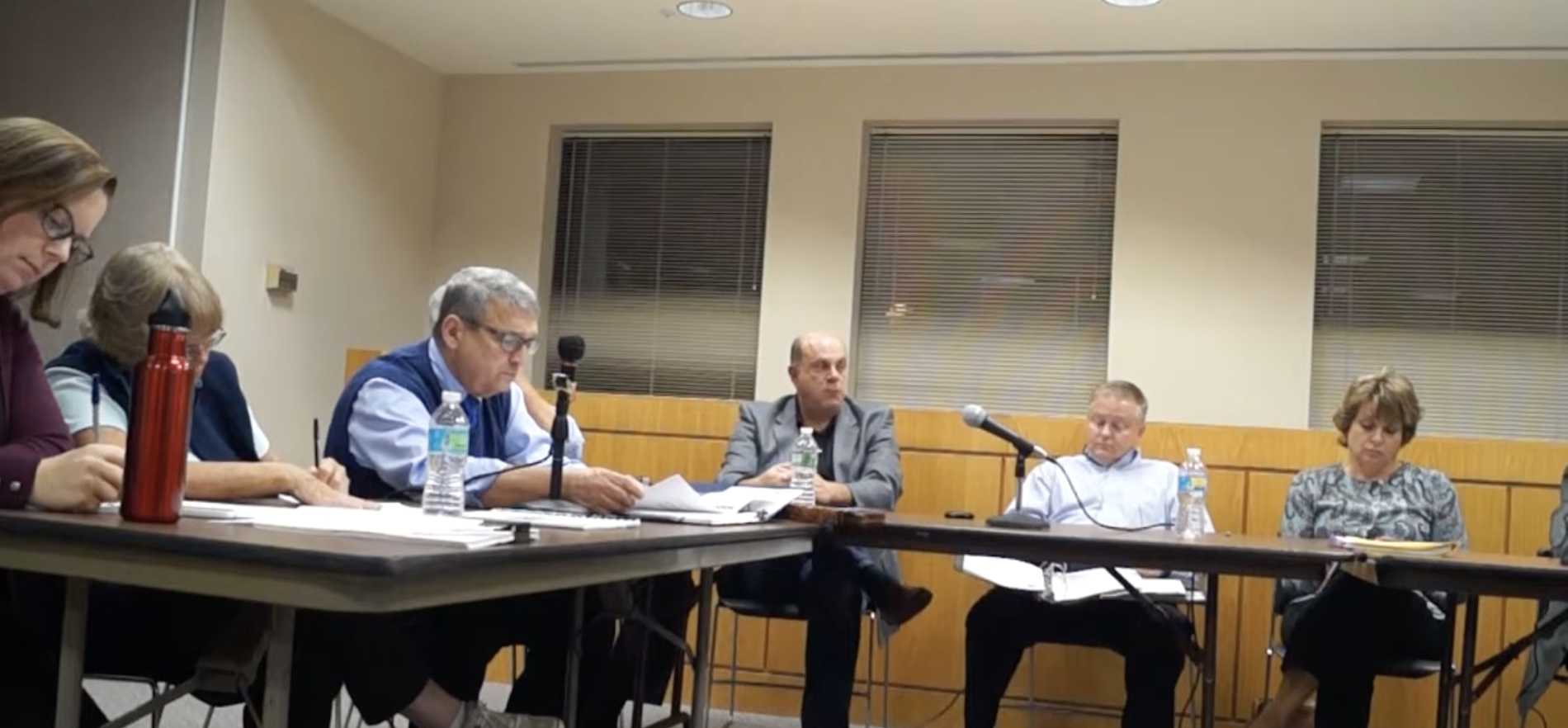
Comprehensive Plan Steering Committee at work on the 2019 Comprehensive Plan Update
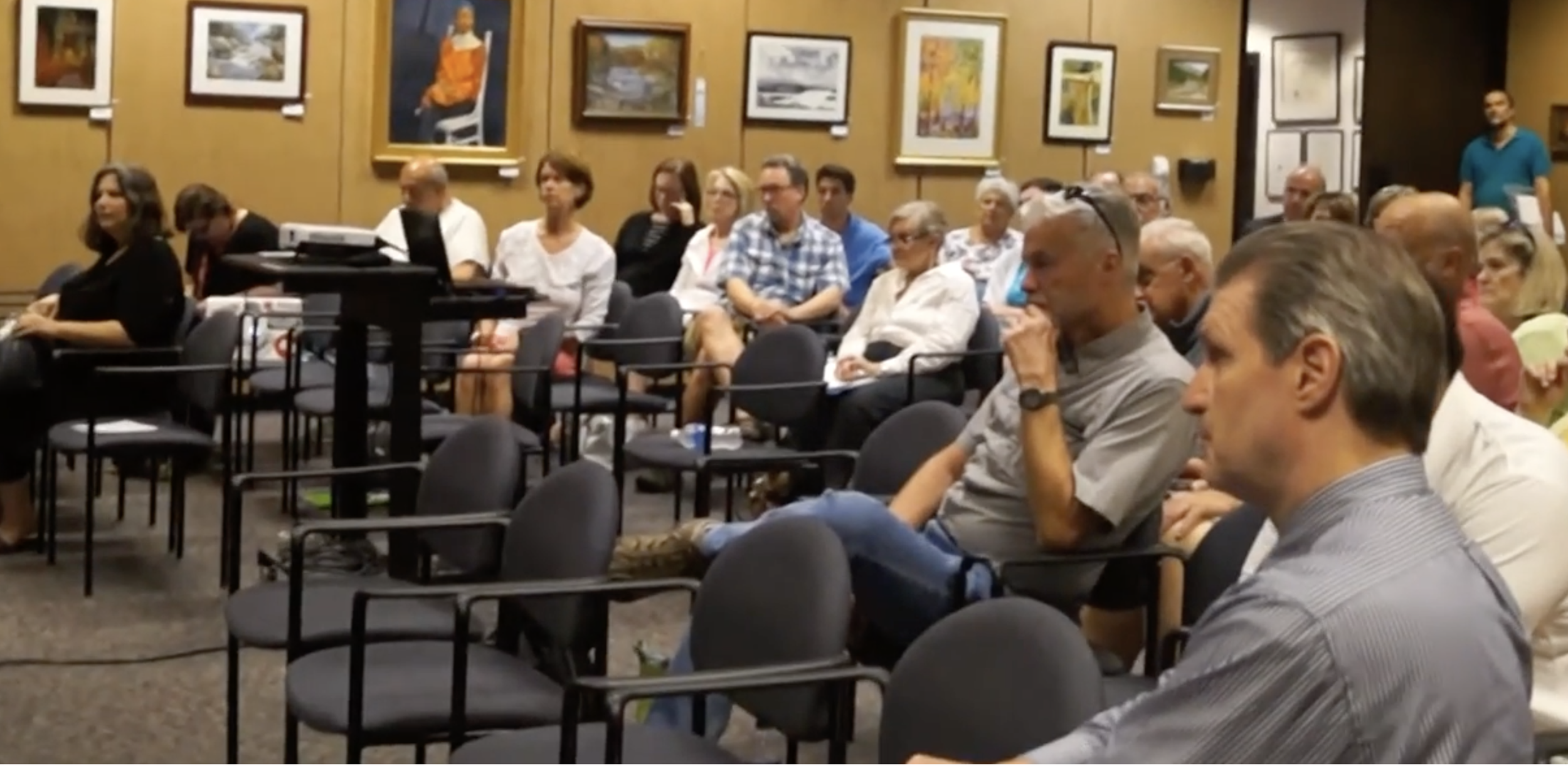
In 2016, SAVE Colonie called a meeting of residents concerned with Town development, at William K. Sanford Library